Wiccan Wellbeing

Wiccan WellbeingWiccan WellbeingWiccan Wellbeing

Wiccan Wellbeing

Wiccan WellbeingWiccan WellbeingWiccan Wellbeing
  • Home
  • Sabbats
    • Imbolc
    • Ostara
    • Beltane
    • Litha
    • Lammas
    • Mabon
    • Samhain
    • Yule
  • Beliefs and Philosophy
  • Natural Remedies
  • Mental Health Support
  • More
    • Home
    • Sabbats
      • Imbolc
      • Ostara
      • Beltane
      • Litha
      • Lammas
      • Mabon
      • Samhain
      • Yule
    • Beliefs and Philosophy
    • Natural Remedies
    • Mental Health Support
  • Home
  • Sabbats
    • Imbolc
    • Ostara
    • Beltane
    • Litha
    • Lammas
    • Mabon
    • Samhain
    • Yule
  • Beliefs and Philosophy
  • Natural Remedies
  • Mental Health Support

Natural Remedies

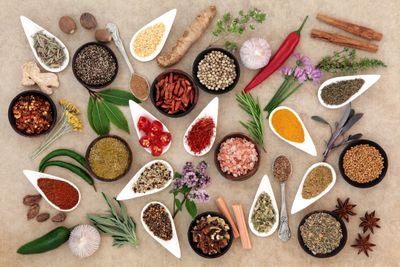
Natural remedies have been used for centuries, with herbs, flowers, roots and spices supporting health and wellbeing. Many of these ingredients can be used in cooking, teas, tinctures and ointments. While they can complement a healthy lifestyle, they are not a replacement for modern medicine. Always consult a doctor or pharmacist before mixing remedies with medications, especially if symptoms persist or worsen. Individual responses vary, so research carefully and use with caution.

Important notes

  • “Natural” does not always mean “safe.” Some herbs can interact with medications or  cause side effects. 
  • Dosage  matters — many benefits seen in studies use concentrated extracts rather  than culinary amounts. 
  • Pregnant or breastfeeding individuals should be especially cautious with herbal remedies


Disclaimer - This information is for general educational purposes only and is not intended as medical advice. Natural remedies may support wellbeing but are not a substitute for professional medical treatment. Always consult a qualified healthcare professional before using herbal remedies, especially if you are pregnant, breastfeeding, taking medication, or have a medical condition. 


Stress and Anxiety

  • Chamomile – May help reduce mild anxiety and promote relaxation; often used as a calming tea. 
  • Valerian – Can support sleep and may reduce anxiety, though evidence is mixed and it can cause drowsiness. 
  • Lavender – Some evidence (especially aromatherapy) suggests it can reduce anxiety and improve sleep quality. 
  • Lemon Balm – May help with mild stress and anxiety; sometimes used alongside  other calming herbs. 

Cold, Flu and Sickness

  • Echinacea – May slightly reduce the duration or severity of colds in some people, but results are inconsistent. 
  • Cinnamon – Has antimicrobial properties; soothing in warm drinks, though not a proven treatment for infections. 
  • Ginger – Well supported for nausea (including motion sickness and pregnancy related  nausea). 
  • Peppermint – Can help with digestive discomfort and may ease tension headaches, menthol can feel soothing for congestion. 
  • Thyme – Traditionally used for coughs, contains compounds with mild antimicrobial and expectorant effects. 
  • Honey – Can soothe coughs and sore throats (not for children under 1 year). 

Heart Health

  •  Garlic – Some evidence shows modest reductions in blood pressure and cholesterol.  Can interact with blood thinners like warfarin. 
  • Rosemary – Contains antioxidants, but evidence for direct heart benefits is limited. 
  • Cinnamon – May help with blood sugar control, effects on cholesterol and blood pressure are modest and inconsistent. 

Stomach Issues

  • Peppermint – Good evidence for relieving symptoms of IBS (especially as peppermint oil capsules), as well as bloating and cramps. 
  • Lemon Balm – May help with mild digestive discomfort and bloating. 
  • Thyme – Traditionally used to support digestion, though strong clinical evidence is limited. 
  • Sage – May help with digestion and bloating; also has mild anti inflammatory  properties. 
  • Turmeric – Contains curcumin, which has anti-inflammatory properties; absorption improves when taken with black pepper. 

Brain Health

  •  Rosemary – Some small studies suggest it may support memory and alertness  (especially aroma), but effects are mild. 
  • Sage – Shows some promise for improving memory and attention; also used for  menopausal symptoms like hot flushes. 

Skin Issues

  • Calendula – Commonly used for minor cuts, irritation and inflammation; some evidence supports wound healing benefits. 
  • Lavender – Can soothe minor burns and irritation, but should be diluted to avoid skin sensitivity. 
  • Chamomile – May help calm irritated skin due to its anti-inflammatory properties. 
  •  Aloe  Vera – Often used for minor burns and skin irritation. 

Copyright © 2026 Wiccan Wellbeing - All Rights Reserved.

Powered by

This website uses cookies.

We use cookies to analyze website traffic and optimize your website experience. By accepting our use of cookies, your data will be aggregated with all other user data.

DeclineAccept